Insulation Company in Monrovia, CA
Blown in insulation is the most common request we get from Monrovia homeowners, and the reasons trace directly to the city’s housing stock. Most homes north of Foothill Boulevard were built between the 1920s and 1960s, and many of those attics have never seen insulation beyond a thin layer of settled fiberglass that’s now doing almost nothing. Even Air Insulation has served Monrovia since 2018, and we’ve spent those years learning the quirks of Craftsman bungalows, mid-century ranch homes, and foothill properties where the San Gabriel Mountains create heat and wind patterns you won’t find in Arcadia or Pasadena. Call (855) 362-0195 for a free estimate.
Why Monrovia Homes Are Different
Monrovia sits directly against the San Gabriel Mountains, which means insulation work here is driven by two forces that don’t exist in flatter neighboring cities: extreme radiative heat gain from south-facing foothill exposure and the need to seal against Santa Ana wind infiltration and wildfire-driven ember intrusion. In the foothill neighborhoods north of Foothill Boulevard, attics regularly hit 140°F or more on summer afternoons. The original 1940s and 50s rock lath and plaster walls often have no insulation at all, so a standard blow-in job without air sealing can leave the second floor unlivable by 2 p.m.
Housing stock varies block by block. Old Town and the streets around Myrtle Avenue are dominated by early-1900s Craftsman bungalows, many with balloon-frame construction and knob-and-tube wiring in the attics. Foothill neighborhoods like Norumbega and the streets climbing toward Clamshell Canyon have mid-century ranch homes with exposed roof decks that cook all summer. East of the 210 freeway, newer tract homes from the 1980s and 90s have different problems: builder-grade fiberglass batts that were under-specified to begin with and have compressed over time. In the 91016 and 91017 ZIP codes, we see the full range, and each one calls for a different material and method decision.
Monrovia’s Mediterranean climate means long, hot, dry summers with intense UV gain through the roof assembly. Winters are mild, but Santa Ana events create cold, dry drafts and real fire risk. Homes here need insulation that resists heat gain from the roof deck and air sealing that blocks wind-driven ember intrusion into vents and soffits, not just cold-weather thermal performance. That’s why we treat air sealing as part of every blown-in job in Monrovia, especially in the foothill neighborhoods where the wildland-urban interface runs right up to the back fences.
Our Main Monrovia Services
Blown in insulation handles most Monrovia homes well, but there are two other services homeowners ask about constantly: attic insulation upgrades with air sealing, and spray foam for difficult rooms and rim joists in older buildings. Here’s what each one involves in Monrovia specifically.
Attic Insulation in Monrovia
Attic insulation is the highest-return energy upgrade most Monrovia homes can make, because the attic is where the foothill sun does its worst work. We evaluate what’s already up there, seal penetrations and top plates, then install the right material for the roof assembly. In older Monrovia homes with knob-and-tube wiring, safety comes first: wiring gets evaluated and protected before insulation touches it. Learn more about Attic Insulation in Monrovia, including cost ranges and how we handle ember-resistant venting in foothill homes.
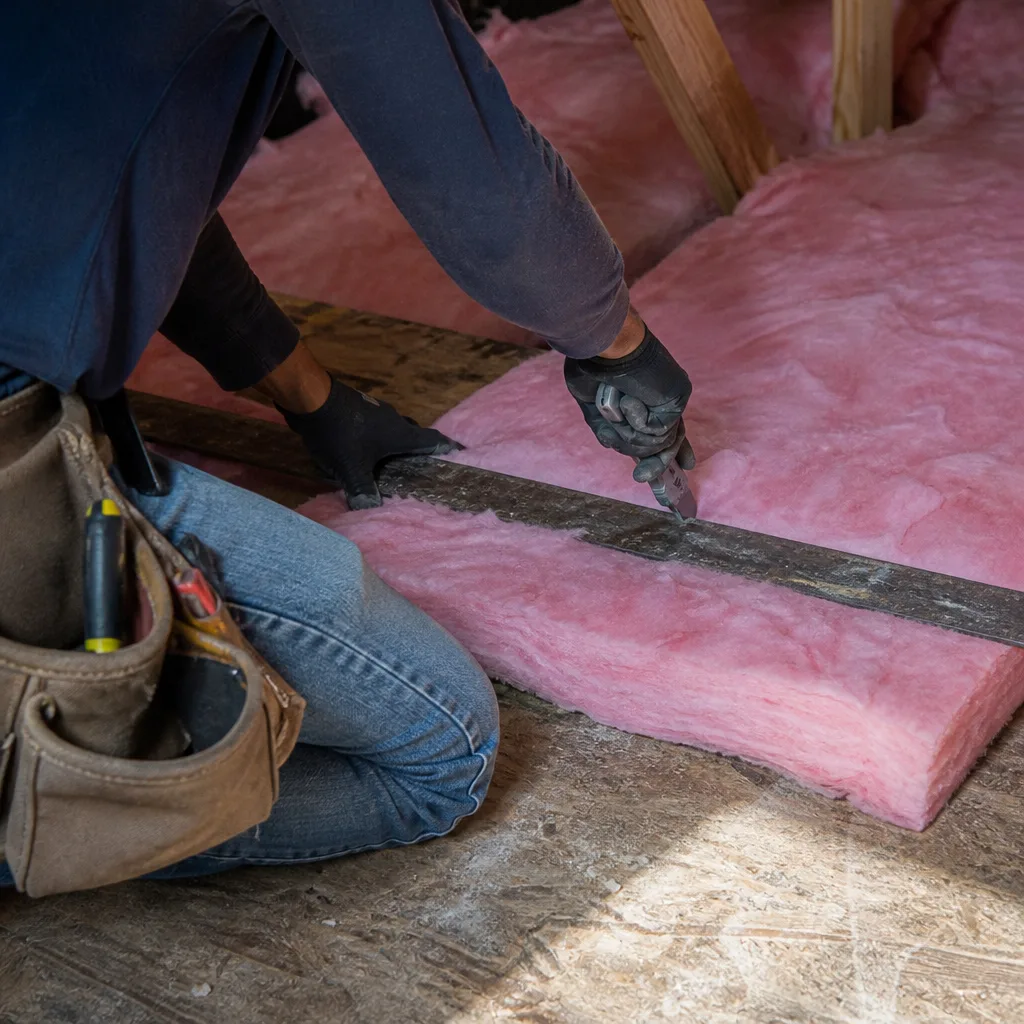
Spray Foam Insulation in Monrovia
Spray foam isn’t always the answer, but when it is, we have two professional-grade options: open-cell and closed-cell through Icynene. In Monrovia, closed-cell often wins in rim joists and crawl spaces where moisture from sprinkler overspray meets older framing. Open-cell works well in vaulted ceilings where batt or blown-in material would sag or leave voids. See Spray Foam Insulation in Monrovia for where foam makes sense and what it costs in the 91016 and 91017 ZIP codes.
What happens when you call
- 1
A real person answersNo phone trees — you reach a local pro.
- 2
You get an upfront price rangeHonest numbers before anyone is dispatched.
- 3
A background-checked tech heads outLicensed & insured, dispatched right away.
- 4
You approve before work beginsNothing starts until you say go.
Blown In Insulation in Monrovia
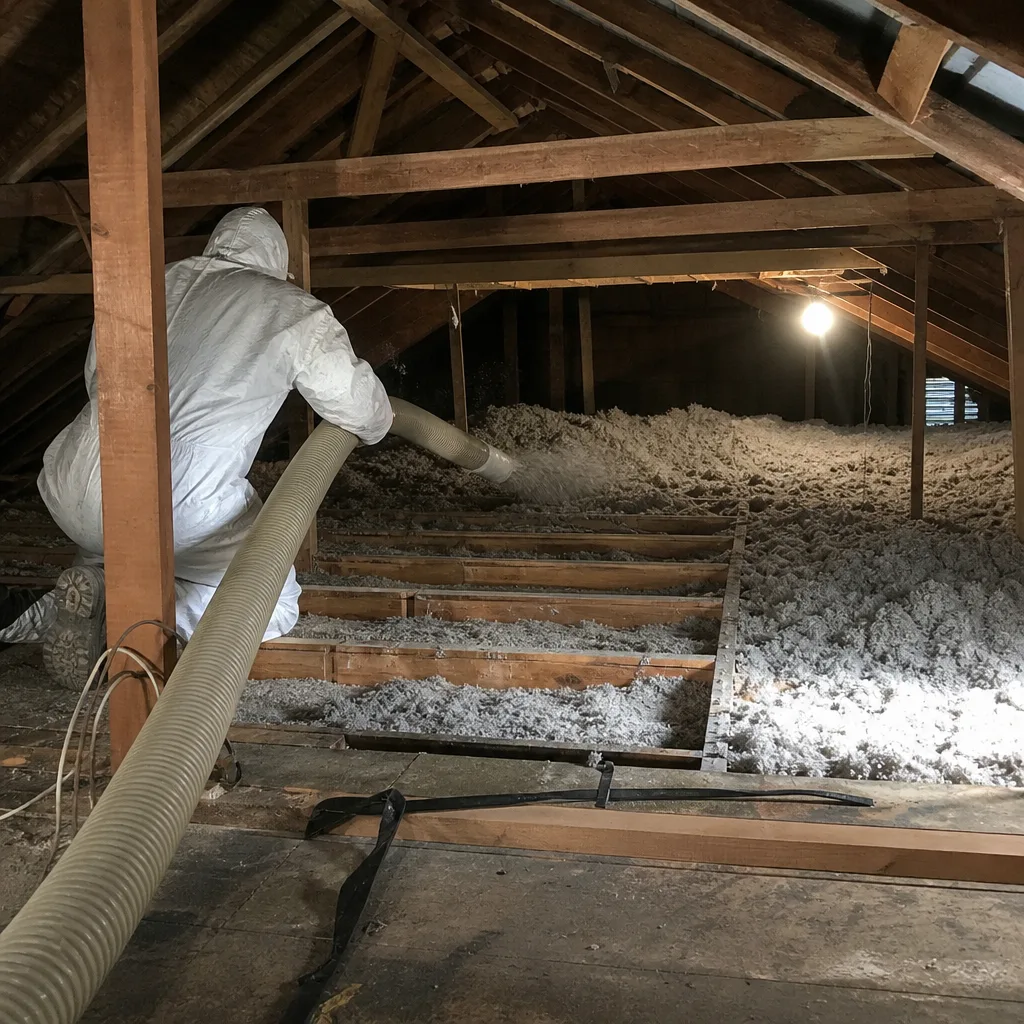
Blown in insulation in Monrovia typically means dense-packed cellulose or loose-fill fiberglass installed in attics and closed wall cavities, and it’s our most requested service by a wide margin. The reason is simple: many Monrovia homes built before 1970 have attics with thin, settled fiberglass batts that were undersized when they went in and have lost performance since. Add in the 140°F attic temperatures common north of Foothill Boulevard in summer, and you get second-floor bedrooms that never cool down, AC units that run nonstop, and energy bills that climb every July. Blown in insulation solves this by filling every cavity evenly, eliminating the gaps and voids that batts inevitably leave behind, and we pair it with air sealing because in Monrovia the gaps around top plates, can lights, and vent penetrations are what let hot air pour into the living space. This is our core Blown In Insulation service, and in Monrovia it’s almost always done with GreenFiber cellulose for its density and air-blocking properties, or Johns Manville fiberglass for retrofit walls where settling is a concern.
Cellulose Insulation
Signs you need it
You’ll feel uneven temperatures between rooms, see attic dust blowing down through can light trims, or notice your AC short-cycling on summer afternoons when the attic becomes a radiant oven.
What it costs in Monrovia
Cellulose blown-in for a typical Monrovia attic runs $1,800 to $3,400 with air sealing included, depending on square footage and existing insulation removal.
How we do it
We air-seal penetrations first, mark final depth at the eaves, then dense-pack the cavities with GreenFiber cellulose at the specified pounds-per-square-foot for your ceiling assembly.
Blown In Attic Insulation
Signs you need it
If the upstairs rooms in your Monrovia home are 10 to 15 degrees warmer than downstairs by mid-afternoon, and the attic floor has settled batts with dark streaks where air has been filtering through, you need blown-in attic insulation.
What it costs in Monrovia
A standard blown-in attic job in Monrovia runs $2,200 to $4,800, including removal of the old material if it’s too thin or contaminated.
How we do it
We remove or leave existing insulation as conditions dictate, seal all penetrations, install eave baffles for vent flow, then blow in the specified depth across the attic floor at a consistent R-value.
Blown In Fiberglass Insulation
Signs you need it
When wall cavities in your 1950s Monrovia ranch home feel cold at the wall surface in winter, or you hear everything from the street, blown-in fiberglass wall insulation is often the retrofit that works.
What it costs in Monrovia
Blown-in fiberglass wall retrofits in Monrovia typically cost $2,600 to $4,200 for a full single-story home, depending on stud spacing and access.
How we do it
We cut small access holes at each stud bay, blow the fiberglass to a dense pack, then patch and texture the holes to match your existing wall finish.
What Blown In Insulation Costs in Monrovia
| Item | Typical range in Monrovia |
|---|---|
| Cellulose attic blow-in with air sealing | $1,800 – $3,400 |
| Blown in attic insulation including old material removal | $2,200 – $4,800 |
| Blown-in fiberglass wall retrofit, single-story | $2,600 – $4,200 |
How long does blown in insulation last in Monrovia?
Cellulose and fiberglass both last 20 to 30 years when installed correctly and kept dry. In Monrovia, the bigger threat than age is wind wash from Santa Ana events disturbing loose-fill at the eaves, so we check edge baffles as part of every job.
Can blown in insulation be installed in Monrovia homes with knob-and-tube wiring?
It can, but the wiring must be evaluated first. In Monrovia’s older Craftsman homes we’ve seen knob-and-tube in active use, and insulation can’t touch it safely. We’ll assess and recommend next steps before any material goes in. Call (855) 362-0195 and we’ll walk you through it.
Brands We Service in Monrovia
We carry Rockwool for Monrovia homes where fire resistance or sound dampening matter most, especially in foothill retrofits and shared-wall condos. Knauf and CertainTeed products cover most batt and blanket applications, and Icynene handles open-cell spray foam for vaulted ceilings. Parts and materials are stocked locally, so most Monrovia jobs start within a week of the estimate. Visit our brands to see the full roster.
Pricing for Insulation Company in Monrovia, CA
| Service | Typical range in Monrovia |
|---|---|
| Cellulose attic blow-in with air sealing | $1,800 – $3,400 |
| Blown in attic insulation including old material removal | $2,200 – $4,800 |
| Blown-in fiberglass wall retrofit, single-story | $2,600 – $4,200 |
| Attic air sealing as a standalone service | $800 – $1,600 |
| Batt insulation for exposed wall cavities during renovation | $1,200 – $2,500 |
| Spray foam rim joist insulation (closed-cell) | $1,500 – $3,000 |
| Open-cell spray foam in vaulted ceilings | $3,000 – $6,000 |
| Crawl space insulation with vapor barrier | $1,800 – $3,400 |
In Monrovia, the biggest price drivers are attic access, existing insulation that needs removal, and whether knob-and-tube wiring is present and needs addressing first. We give you a fixed price before work starts, and that price doesn’t change unless the scope does.
Neighborhoods We Serve in Monrovia
We work throughout Monrovia, from the Craftsman blocks around Old Town and Myrtle Avenue to the foothill streets climbing toward Clamshell Canyon. Most neighborhoods see a crew within 3 to 5 business days of estimate approval, with faster scheduling for urgent jobs before the summer heat hits.
- Old Town Monrovia
- Norumbega
- North Monrovia foothills
- East of the 210 freeway
- Monrovia-Arcadia border neighborhoods
Service Area – Cities Near Monrovia
Beyond Monrovia, we bring the same material-first approach to the neighboring foothill and valley communities. Our crews work regularly in Mayflower Village, CA, Duarte, CA, Bradbury, CA, and Arcadia, CA. If you’re in one of those areas, the same scheduling and free-estimate process applies.
Serving Monrovia, CA — Our Local Coverage Area
We’re based in the Monrovia area and know this community well. Use the map below to see our service coverage — if you’re nearby, we can almost certainly help.
FAQs About Insulation Company in Monrovia
We schedule most Monrovia estimates within 3 to 5 business days, and we hold emergency slots for homes with exposed wiring or no insulation during a heat wave. Call (855) 362-0195 and we’ll tell you the next open window for your ZIP code in 91016 or 91017.
Most blown-in and batt insulation work in Monrovia does not require a building permit when the scope is limited to insulation and air sealing. If your project includes structural changes or spray foam in certain assemblies, the city may ask for documentation, and we’ll tell you up front if that’s in play for your home.
We cover all of Monrovia, including the historic Craftsman streets near Old Town, the mid-century ranch neighborhoods north of Foothill Boulevard, the foothill properties near the base of the San Gabriels, and the tract developments east of the 210 in both 91016 and 91017.
What happens when you call
- 1A real person answersNo phone trees — talk to a local insulation pro.
- 2You get an upfront price rangeHonest numbers before anyone is dispatched. No surprises.
- 3A background-checked tech heads outLicensed & insured, typically within 60-minute.
- 4You approve before work beginsNothing starts until you say go.
What Monrovia Customers Say
"Plastic laid from the front door to the attic hatch and they vacuumed the hallway afterward."
— Andres Vargas"Work is good and the house is noticeably more comfortable. There was insulation debris left in the hall closet under the attic access that I had to clean up."
— Daniela Martinez"Attic was at maybe R-11 from the 1970s and blown in over the top would have just buried the problem. They removed the old material, air sealed the top plates and penetrations first, then blew in to R-49. The upstairs is a completely different house in August."
— Emily Gallagher