Reflectix Insulation in Monrovia, CA | Even Air Insulation
We install and repair Reflectix radiant barrier across Monrovia, from the Craftsman bungalows near Old Town to the foothill ranches north of Foothill Boulevard. The thing that makes our Reflectix work here different is simple: Monrovia’s attics hit 140°F or more in summer, and standard foil installs delaminate if they’re not done with a proper air gap. Call (855) 362-0195 for a free estimate. We’re an independent contractor, not a Reflectix authorized dealer, so we recommend what actually holds up in your attic, not what a manufacturer wants us to push.
Why Monrovia Residents Choose Us for Reflectix Service
Nelson Quirarte, our owner, studied building construction technology at Los Angeles Trade-Technical College and has spent the better part of two decades doing insulation work across the L.A. basin. He’s the person neighbors call when another contractor gave them the wrong answer. For Reflectix sales & service, that means we know the product lines well enough to tell you when Reflectix is the right call and when a perforated or reinforced aftermarket barrier will outlast it in a Monrovia attic.
We stock Reflectix double reflective rolls and double-bubble products, plus high-quality aftermarket radiant barriers for situations where Monrovia’s ember and heat conditions call for something different. Being independent means we’re not tied to any manufacturer. If your existing Reflectix is delaminating but the underlying insulation is fine, we can often replace just the radiant barrier rather than the entire assembly. That’s the kind of call you only get from a contractor who’s actually looked at the foil under your roof deck.
Common Reflectix Insulation Problems We Solve in Monrovia
- Foil delamination on the bubble core. Monrovia foothill attics routinely exceed 140°F in summer, especially in homes north of Foothill Boulevard. When Reflectix is installed without a 3/4-inch air gap, the foil facing separates from the bubble core, and the barrier stops doing its job. We see this most often on south-facing roof planes that get hammered by direct sun from late morning to sunset.
- Ember intrusion through unsealed vents. Monrovia’s wildland-urban interface runs right up to back fences in the foothill neighborhoods. Reflectix alone doesn’t stop embers from entering through vents. Without ember-resistant venting and real air sealing, a radiant barrier gives you zero fire protection no matter how well it reflects heat.
- Moisture trapping in rock lath walls. Older Monrovia homes from the 1940s and 50s often have rock lath and plaster walls with no vapor barrier. Installing Reflectix directly against those walls traps moisture, which corrodes the foil and kills its reflectivity within a few seasons. This is a common issue in the mid-century ranch homes east of the 210 freeway.
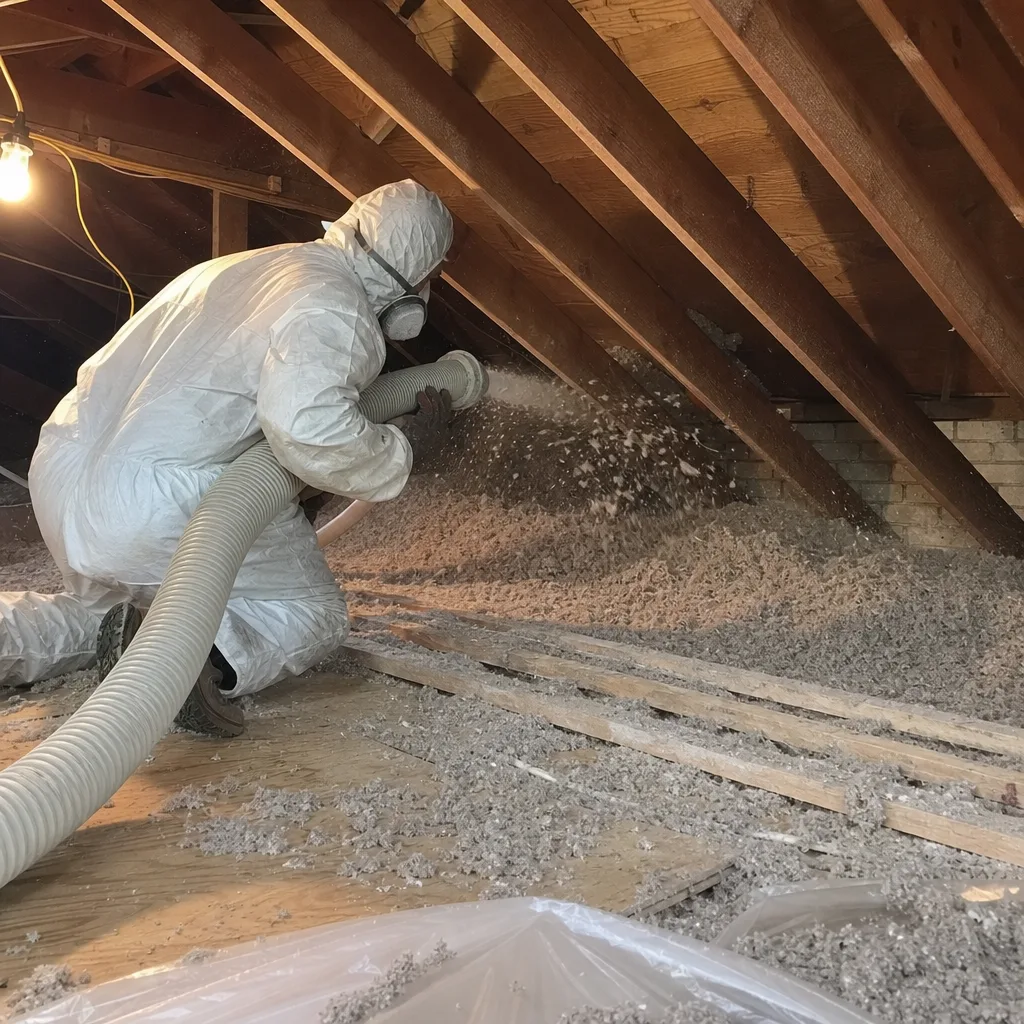
- Compression from blown-in top-ups. We’ve seen homeowners bury Reflectix under a layer of blown-in cellulose or fiberglass during an attic insulation top-up. Once the foil is buried, the radiant barrier function is defeated. The reflective surface needs an air gap to work. Burying it is just throwing money away.
- Knob-and-tube wiring conflicts. Many early-1900s Monrovia homes still have knob-and-tube wiring in the attic. You can’t simply lay Reflectix over live knob-and-tube, and air sealing around old wiring takes care and an electrician’s sign-off in some cases. We evaluate this before recommending any radiant barrier work.
Reflectix Service in Monrovia: What Local Conditions Mean for Your Equipment
Here’s the thing most generic insulation pages won’t tell you about Monrovia. In the foothill neighborhoods north of Foothill Boulevard, attic temperatures can exceed 140°F on summer afternoons. That’s not an exaggeration. The original 1940s-50s rock lath and plaster walls in those homes often have no insulation at all, so the attic becomes a heat reservoir that radiates down into the living space all afternoon. A standard Reflectix roll installed flat against the roof sheathing without an air gap will delaminate within a few summers under those conditions. The foil literally separates from the bubble core, and you’re left with a shiny-looking barrier that isn’t reflecting much of anything.
So we specify a perforated or reinforced Reflectix variant for foothill homes, and we always verify that 3/4-inch air gap before installation. The air gap is the difference between a radiant barrier that works for a decade and one that fails in two years. We also look at the venting, because Monrovia’s Santa Ana events push embers and grit through vents that were never designed for wildfire conditions. The right insulation doesn’t announce itself, you just stop noticing the problem. In Monrovia, that means a second floor that’s livable at 2 p.m. in August.
Reflectix Models & Products We Service in Monrovia
We work with the full Reflectix lineup that makes sense for residential attics: the Double Reflective Insulation Roll in 48-inch, 24-inch, and 16-inch widths, the Reflective Foil Insulation with double bubble core, the Perforated Radiant Barrier, and the Insulation Roll with double-sided reflective surface. We source genuine Reflectix from authorized distributors so the double-bubble construction and foil integrity are what they should be. But we also carry high-quality aftermarket radiant barriers, including perforated and reinforced versions, because Monrovia’s ember and heat conditions sometimes call for a product that Reflectix doesn’t make. If your existing Reflectix is delaminating but the rest of the attic assembly is sound, we can replace just the radiant barrier and leave the rest alone. That’s a repair call, not a full redo.
Reflectix Service Pricing in Monrovia
Reflectix radiant barrier installation in Monrovia typically runs $1.50 to $3.00 per square foot, depending on whether we’re doing a simple attic floor lay or a roof-deck install with the air gap and fasteners required for foothill heat conditions. Removing and replacing delaminated Reflectix usually falls in a similar range, though knob-and-tube complications or rock lath wall work can add to the total. Our free estimate includes an attic inspection, measurements, and a straight answer on whether your existing Reflectix is salvageable or needs replacement. The right fix starts with looking at the actual attic, not a photo of one. Call (855) 362-0195 and we’ll come out to Monrovia and give you a real number.
| Service | Typical Monrovia Range |
|---|---|
| Reflectix attic floor install | $1.50 – $2.25 / sq ft |
| Reflectix roof deck install (with air gap) | $2.00 – $3.00 / sq ft |
| Delaminated Reflectix removal & replacement | $1.75 – $2.75 / sq ft |
| Air sealing + ember-resistant vent upgrade | Quoted per attic |
Serving Monrovia, CA — Our Local Coverage Area
We’re based in the Monrovia area and know this community well, and we also provide Arcadia Reflectix service. Use the map below to see our service coverage — if you’re nearby, we can almost certainly help.
FAQs – Reflectix Insulation in Monrovia
Will Reflectix radiant barrier alone keep my Monrovia attic cool enough during summer?
No. Reflectix reduces radiant heat gain, but it doesn’t replace insulation or air sealing. In a Monrovia foothill home with no wall insulation and a 140°F attic, a radiant barrier alone won’t keep the second floor comfortable. We combine Reflectix with air sealing and, where needed, an insulation top-up. Call (855) 362-0195 for an assessment of what your specific attic actually needs.
How do I know if my existing Reflectix has failed due to Monrovia’s heat?
Look for foil that’s bubbled, wrinkled, or separating from the bubble core, especially on south-facing roof planes. If you can peel the foil away with light pressure, it’s failed. Also check for dull or corroded spots near vents. We’ll inspect it during a free estimate and tell you straight whether it’s salvageable.
Can Reflectix be installed in older Monrovia homes with rock lath and plaster walls?
It can, but it must be installed with a vapor barrier and proper air gap, or you’ll trap moisture in the wall cavity and corrode the foil. This is a common issue in 1940s-50s foothill homes. We evaluate the wall assembly before recommending any radiant barrier in an older Monrovia home.
Does Reflectix help with wildfire ember intrusion in Monrovia’s WUI zones?
On its own, no. Reflectix is a radiant barrier, not an ember barrier. In Monrovia’s wildland-urban interface areas, you need ember-resistant venting and proper air sealing in addition to any radiant barrier. We install these together because they address different problems.
What’s the best way to upgrade insulation in a Monrovia home that already has Reflectix?
First, verify the Reflectix is still functioning and has the correct air gap. Then air seal the attic floor and top up the insulation beneath the radiant barrier, not over it. Burying Reflectix under blown-in insulation defeats its purpose. We’ll check the entire assembly before recommending the right top-up material for your home. Call (855) 362-0195 and we’ll give you an honest recommendation.
Service Areas Near Monrovia
We serve Monrovia and the surrounding neighborhoods, including Monrovia service area coverage across 91016 and 91017. Our team also works in Altadena, Rosemead, East Pasadena, and Tujunga. For clients closer to the coast, we offer Reflectix service in Palos Verdes Estates and Reflectix service in Rolling Hills Estates.
Book Your Reflectix Service in Monrovia Today
We recently tackled a 1952 ranch home in the foothills above Foothill Boulevard where the original rock lath walls had zero insulation and the attic regularly hit 145°F. After air sealing and adding ember-resistant vents, we installed Reflectix double-bubble radiant barrier with a verified air gap beneath the roof deck, dropping the second-floor temperature by 12°F by 2 p.m. Your attic doesn’t have to bake all summer. Call (855) 362-0195 for a free estimate and we’ll get your Monrovia home sorted.
Written by Nelson Quirarte, Owner at Even Air Insulation, serving Monrovia and the San Gabriel Valley foothills, including Mayflower Village Reflectix service. Nelson studied building construction technology at LATTC and has spent two decades insulating homes across the L.A. basin, from Koreatown bungalows to Monrovia foothill ranches.