Fast, Reliable Attic Insulation Across Santa Monica
Attic insulation in Santa Monica is the highest-return energy upgrade most homes can make, and the coastal climate here changes the math on which material works best. The salt-laden marine layer that rolls in most mornings keeps attics cool and damp for more hours per day than inland neighborhoods, which means vapor management matters as much as R-value. At Even Air Insulation, we’ve worked enough attics across 90401, 90402, 90403, and 90404 to know that a 1940s Sunset Park bungalow needs a different approach than a newer mid-rise unit east of Lincoln Boulevard. Call us at (855) 362-0195 for a free estimate, and we’ll tell you exactly what your attic needs – not just what’s easiest to install.
Key Takeaways:
- Santa Monica’s marine layer means moisture control drives material selection more than heat or cold
- Closed-cell foam outperforms loose-fill in exposed coastal attics because it blocks salt-laden damp
- Older bungalows with unpermitted additions need a thermal bridge assessment before any blow-in work
- We stock multiple brands so the recommendation fits your house, not our inventory
Why Even Air Insulation Is Santa Monica’s Preferred Attic Insulation Company
Santa Monica homeowners call us because we carry eight manufacturer lines and know when each one is the right call. That’s not a sales pitch – it’s a material problem. A 1920s wood-frame stucco bungalow north of Montana with balloon-frame construction needs air-sealing chemistry and closed-cell foam, not a quick fiberglass blow-in. A newer condo conversion on the east side near Santa Monica College might be fine with dense-pack cellulose from GreenFiber. We show up with the full roster – Owens Corning, Johns Manville, Demilec, and more – and prescribe based on what the attic actually requires.
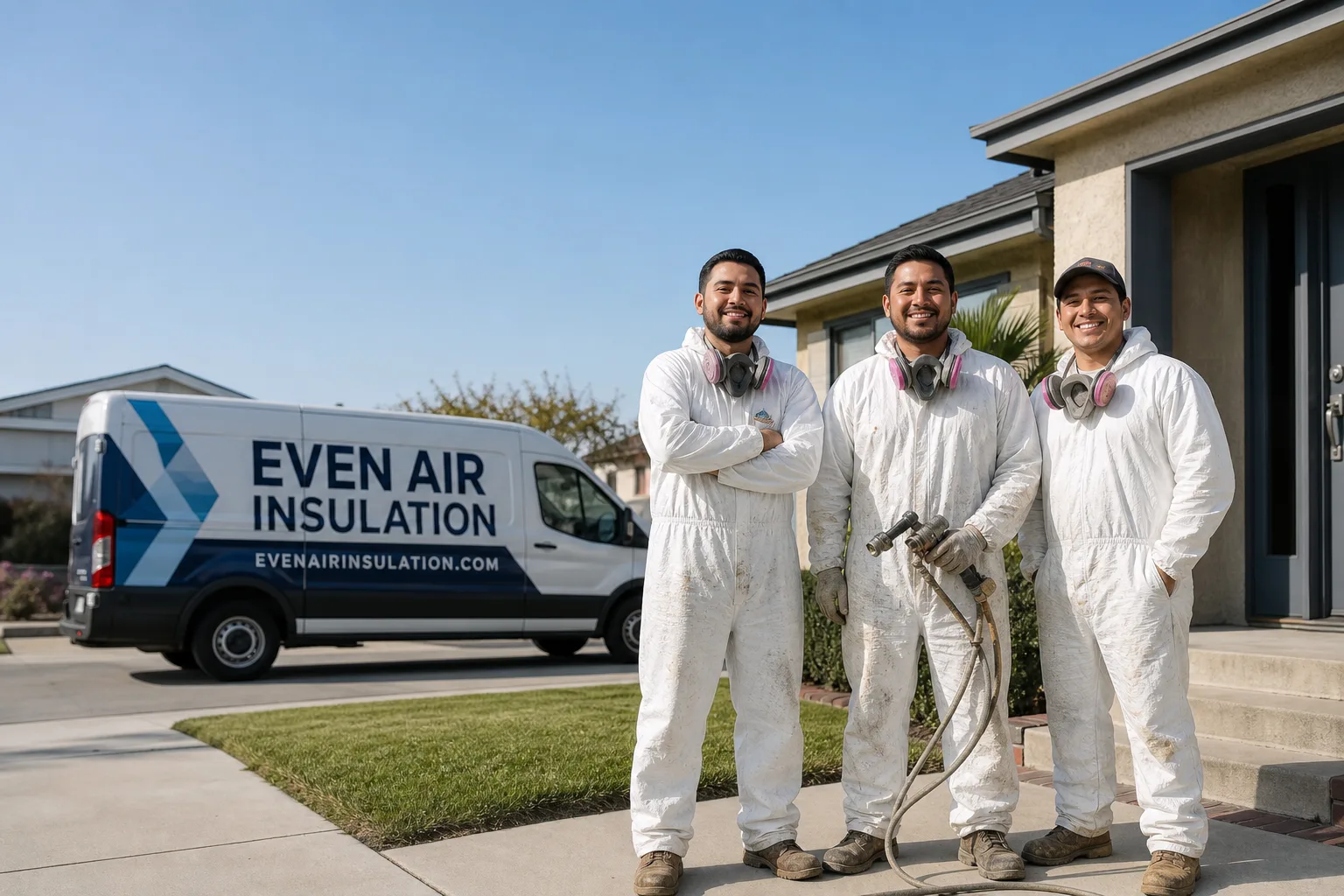
Nelson Quirarte leads our crews, and he’s trained the team across three installation methods: attic insulation, spray foam, and blown-in. That matters in Santa Monica because so many homes mix construction eras. The original 1940s section, a 1980s add-on, a 2005 remodel – each has different insulation needs. A contractor who only installs one product will force-fit it everywhere. We don’t.
Response time to Santa Monica is usually same-day or next-day for inspections. We know the parking restrictions on narrow streets in Ocean Park, we know the permit office on Fourth Street, and we know which older homes still have knob-and-tube wiring that affects how we work around existing insulation.
Radiant Barrier in Santa Monica
Radiant barrier in Santa Monica is a useful tool for specific attics, but it’s not a replacement for insulation in our coastal climate. A radiant barrier reflects radiant heat from the roof deck back out, which matters in inland LA where attic temperatures hit 140°F in August. Santa Monica attics rarely get that hot. What radiant barrier does well here is reduce the afternoon heat gain on west-facing exposures in homes near the bluffs or in Sunset Park, where there’s less tree canopy and the marine layer burns off earlier. A 1,000-square-foot attic typically runs $1,800 to $3,200 for a quality radiant barrier install in Santa Monica, depending on roof pitch and access.
When to Add Radiant Barrier Alongside Insulation
We usually recommend radiant barrier as a complement, not a standalone fix. If you’re already pulling old insulation out of a 1930s bungalow for replacement, adding a barrier to the roof deck adds relatively little labor cost. On flat-roof mid-century homes, skip it – there’s not enough air gap between roof deck and barrier for it to function correctly.
Radiant Barrier Alternatives for Coastal Attics
For Santa Monica homes where the bigger issue is damp rather than heat, we often steer clients toward closed-cell foam instead. The barrier becomes redundant when the insulation itself handles both thermal and moisture control. We’ll tell you when that’s the case rather than selling you both.
Attic Cleaning Services in Santa Monica
Attic cleaning services in Santa Monica usually cost between $900 and $2,400 depending on attic size, debris volume, and what’s living in there. The coastal angle here is the marine layer. It brings salt air and persistent damp into attics through soffit vents and gable ends, which means insulation gets musty faster, rodent nesting materials stay damp longer, and dust clings to surfaces that would stay dry inland. An older 1940s home in 90402 with original insulation likely needs both rodent waste removal and full insulation replacement – you don’t want to blow new material over contaminated old stuff.
What Attic Cleaning Includes on Santa Monica Homes
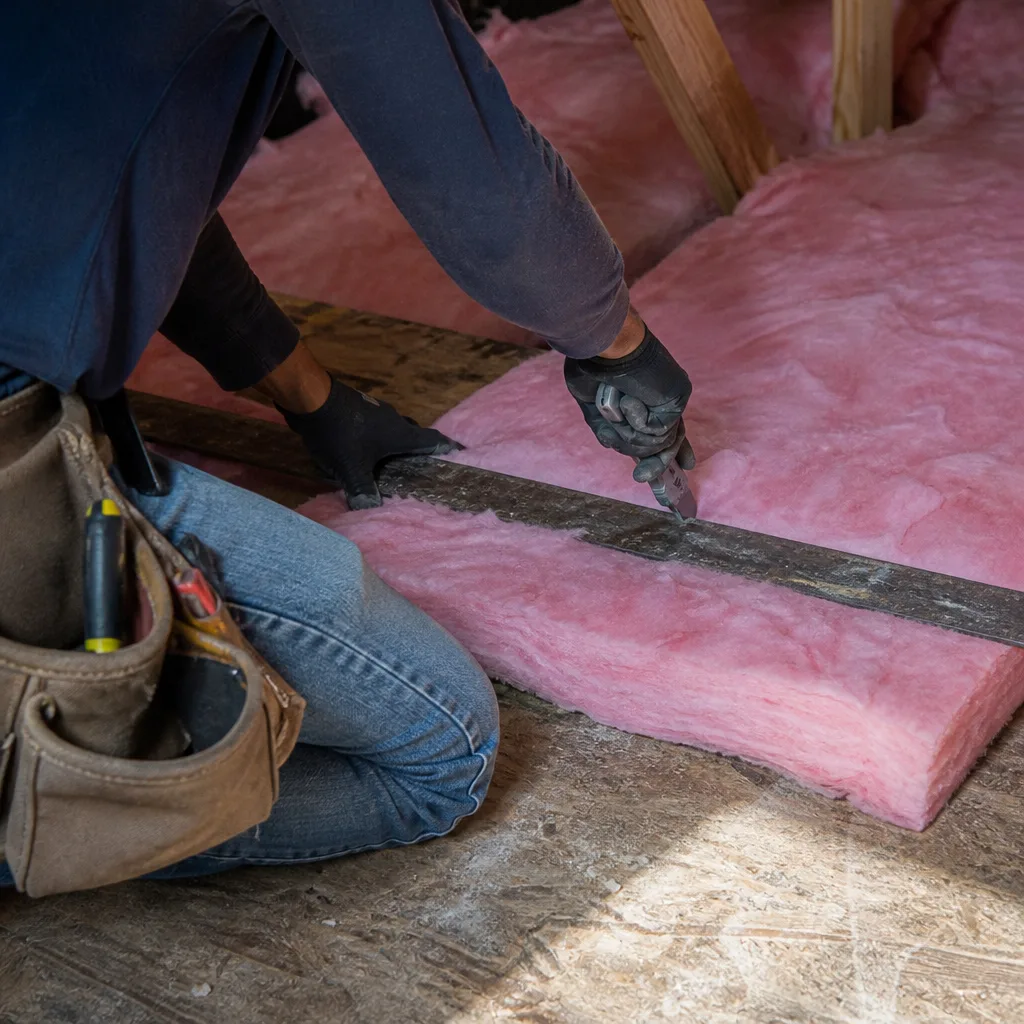
We remove old insulation, vacuum debris, sanitize surfaces where needed, and inspect for the condition issues Santa Monica homes are prone to: corroded fasteners, damp wood around vent openings, and gaps from old additions. The cleaning step also gives us a clear view of airflow problems before any new insulation goes in.
Cleaning Before Blown-In Work
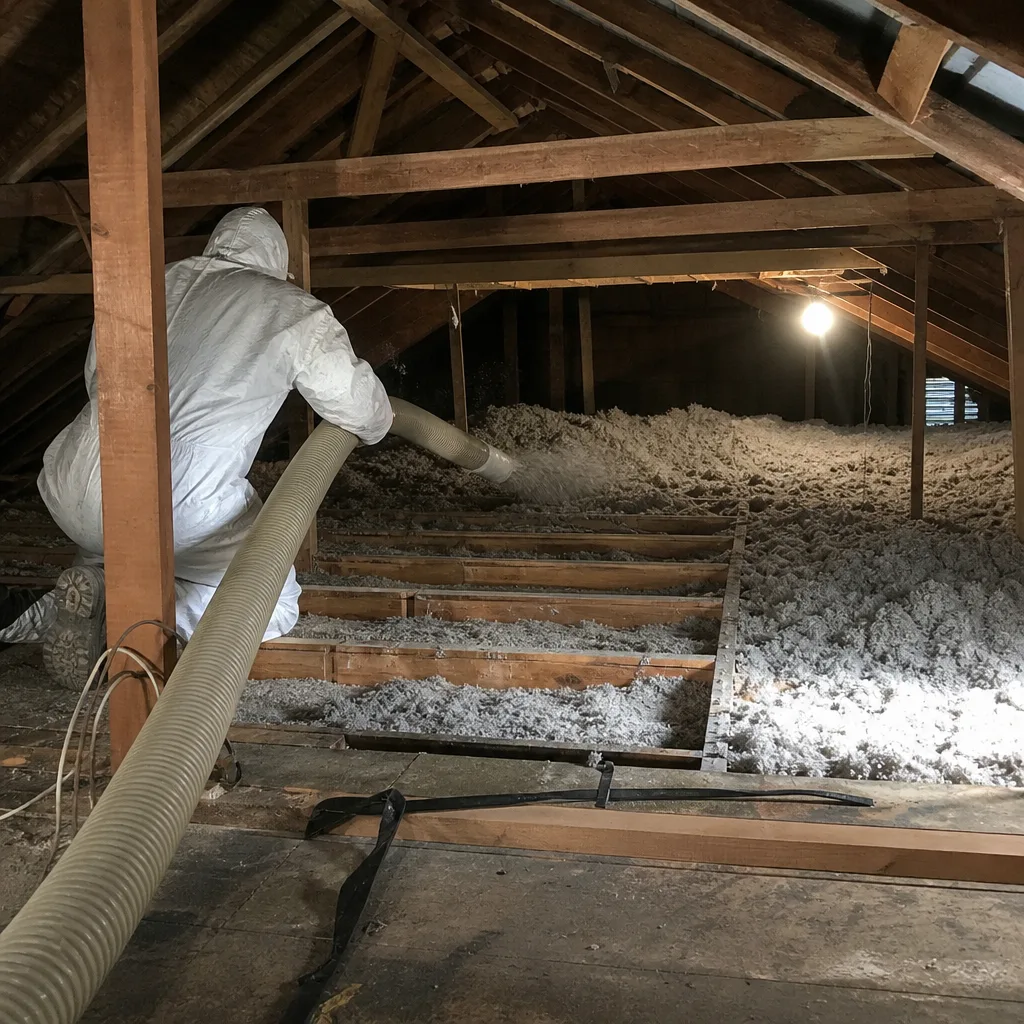
If you’re planning blown-in cellulose or fiberglass, cleaning first is non-negotiable. Loose-fill sits directly on the attic floor, so any moisture, pest waste, or dust underneath becomes trapped. In Santa Monica’s humid attic conditions, that’s how you get mold growth inside a fresh insulation job within a year.
What happens when you call
- 1
A real person answersNo phone trees — you reach a local pro.
- 2
You get an upfront price rangeHonest numbers before anyone is dispatched.
- 3
A background-checked tech heads outLicensed & insured, dispatched right away.
- 4
You approve before work beginsNothing starts until you say go.
Trusted Brands We Service in Santa Monica
We work with eight manufacturers, and for Santa Monica attics we lean on a few most often. Owens Corning and Johns Manville fiberglass and batts are common in remodel projects and replacement work. Demilec closed-cell and open-cell spray foam handles the moisture-critical coastal attics where salt air is the primary threat. GreenFiber cellulose gives us a recycled-content option for dense-pack applications in older balloon-frame walls. Because we stock parts and materials across all these lines, turnaround for Santa Monica jobs is faster than a specialty shop ordering a single brand.
Common Attic Insulation Problems We See in Santa Monica Homes
- Salt-air corrosion on fasteners and hardware: The marine layer carries salt inland, and uncoated metal fasteners in attics rust years faster than in Culver City or West LA. We replace galvanized and stainless where needed before installing new insulation.
- Condensation from persistent damp: Morning marine layer means attic surfaces stay cool and humid for extended hours. Without proper vapor management, condensation forms on uncoated fasteners and framing, accelerating rust and weakening connections.
- Thermal bridges from unpermitted additions: Many 1940s bungalows south of Montana and around Sunset Park have room additions built without permits, leaving gaps where wall meets roof. Salt air infiltrates these gaps and undermines insulation performance.
- Balloon-frame construction in older homes: Pre-1950 wood-frame houses often have open wall cavities running from crawl space to attic. Air-sealing becomes essential before any insulation upgrade, or you’ll be paying to heat and cool the marine layer itself.
Pricing for Attic Insulation in Santa Monica, CA
A full attic insulation replacement in Santa Monica runs $2,400 to $5,800 for a typical 1,000 to 1,500-square-foot home, depending on material and existing conditions. Blown-in cellulose or fiberglass top-up work lands between $1,200 and $2,900. Closed-cell spray foam is the premium option at $3.50 to $6.50 per board foot installed, and in exposed coastal attics around 90402 and 90405, it’s often the right call despite the higher price. Attic cleaning before any of this adds $900 to $2,400. Factors that shift your number: attic height and access, existing insulation type, presence of knob-and-tube wiring, and whether we’re dealing with unpermitted additions that need air-sealing. Call (855) 362-0195 for a free estimate – Nelson will walk the attic with you and give you a straight number.
Cost reference points for Santa Monica:
- Blown-in attic insulation (top-up): $1,200 – $2,900
- Full attic insulation replacement: $2,400 – $5,800
- Closed-cell spray foam (per board foot): $3.50 – $6.50
- Attic cleaning + sanitization: $900 – $2,400
- Radiant barrier install: $1,800 – $3,200
We Also Serve Cities Near Santa Monica
Beyond Santa Monica, our crews work regularly in Attic Insulation in Santa Monica neighboring communities including Venice, Century City, Culver City, and Beverly Hills. Each area has its own housing stock quirks – Venice’s canal-adjacent bungalows face similar salt air to Santa Monica’s, while Century City condos have different attic access challenges. Our Attic Insulation team handles all of them with the same multi-method approach.
Serving Santa Monica, CA — Our Local Coverage Area
We’re based in the Santa Monica area and know this community well. Use the map below to see our service coverage — if you’re nearby, we can almost certainly help.
FAQs About Attic Insulation in Santa Monica
Santa Monica’s marine layer carries salt air that settles on exposed metal surfaces night after night. Garage-door springs, hinges, and tracks are particularly vulnerable because they sit in the path of coastal airflow and are rarely protected from ambient humidity. The same salt-laden damp gets into attics through vents, accelerating corrosion on any uncoated fasteners. We address this by recommending galvanized or coated hardware during attic work, and closed-cell foam where the attic is directly exposed to marine air. Call (855) 362-0195 to schedule an inspection if your hardware shows rust.
Yes, in many cases, but not all. Loose-fill works fine in attics with proper vapor management and no significant salt-air exposure. In exposed coastal attics where the marine layer saturates the air, loose-fill can absorb moisture and lose R-value over time. Closed-cell foam often performs better there because it blocks the damp. We’ll tell you which applies to your attic after we look at it.
Unpermitted room additions in Sunset Park and other south-side Santa Monica neighborhoods usually leave gaps where the addition meets the original roofline. Those gaps become thermal bridges that let salt air into the attic and let conditioned air escape. Before blowing in new insulation, we map those gaps and air-seal them, otherwise the new material underperforms and moisture keeps getting in. This is one of the most common findings on 1940s bungalows in the flats.
If you see rust on garage-door springs, have them inspected before they fail. Corroded springs snap under tension, and a spring breaking while the door is in motion can damage the door, the opener, or anything in its path. In Santa Monica’s salt-air environment, springs and hinges corrode years faster than inland, so inspect every one to two years. We replace corroded hardware with galvanized springs and stainless hinges during attic work when we see the door hardware is compromised. Call (855) 362-0195 if you want us to check yours while we’re in the attic.
In many coastal attics, yes. The marine layer keeps attic spaces humid for extended hours, especially in the morning. Without a vapor barrier, that moisture condenses on uncoated fasteners, framing, and insulation. Closed-cell spray foam acts as its own vapor barrier, which is one reason we recommend it for exposed Santa Monica attics. For loose-fill or batt applications, a separate vapor barrier is often necessary. We evaluate this during the inspection and include it in the quote. Call (855) 362-0195 for a free estimate.
Written by Nelson Quirarte, Owner at Even Air Insulation, serving Santa Monica and the Westside since day one.